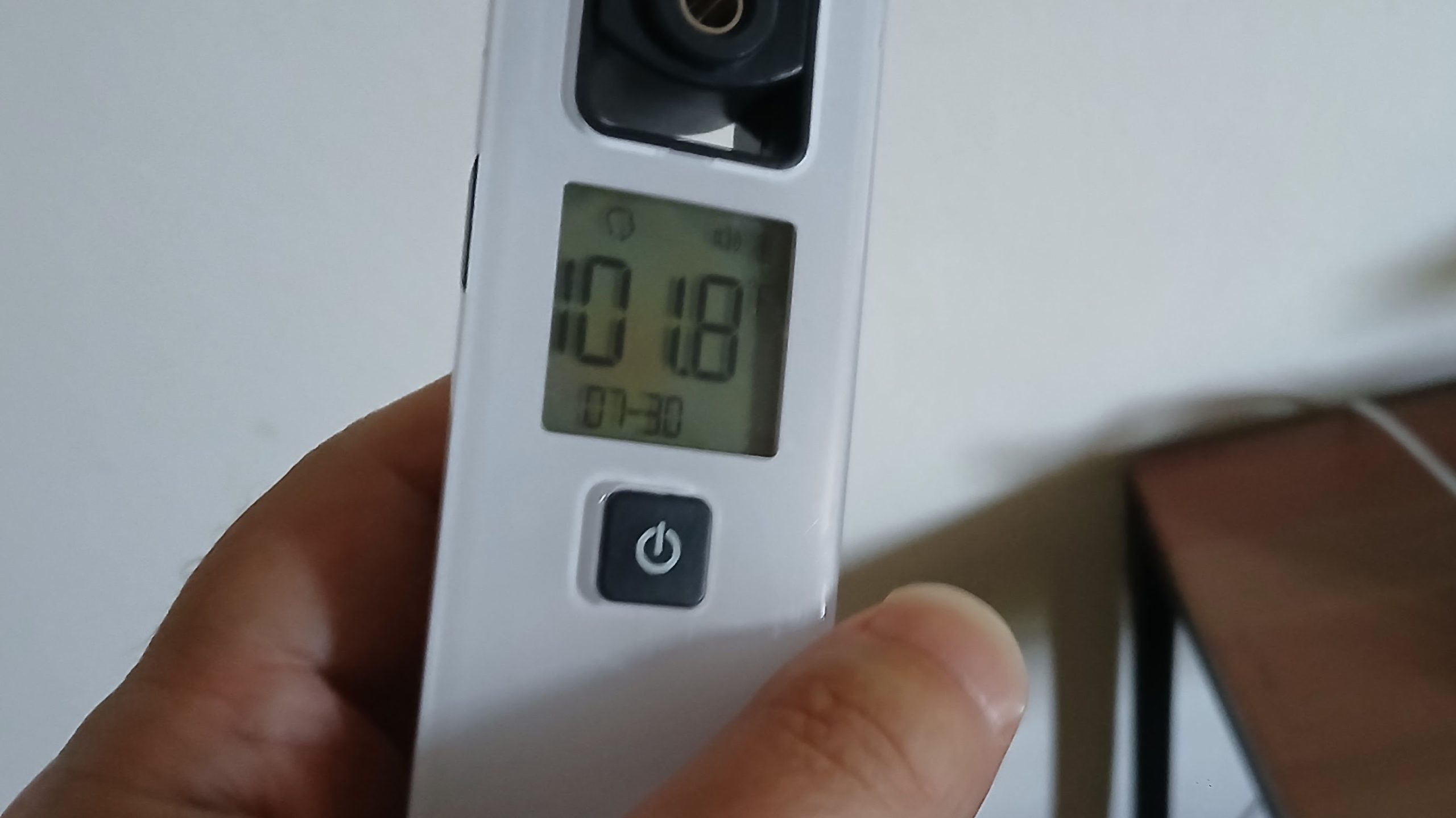
This is part of an ongoing series exploring how to live with compassion in our world of infectious diseases, which tend to recur in waves. It started with me trying to figure out how to avoid getting and passing on COVID-19, but I pretty soon realized that it applied to influenza and respiratory syncytial virus (RSV). In fact, it applies to any disease that can cause major damage or kill, and travels through the population in these wave formations.
When I express concern about COVID-19, I have some friends who say, “Well, isn’t it just like the flu now?” Some COVID-cautious people respond by saying, “No, it’s nothing like the flu!” I’m not an epidemiologist, but from everything I’ve heard, a better response is, “Well, it is kind of like the flu, but we should care about the flu too!”
I tend to suffer from recurring sinus infections, but in 2018 they started affecting my lungs as well. From September 2019 through March of 2020 I had four distinct episodes of nasal congestion, sore throat and coughing. In January and March of 2020 I had fevers. In between those episodes I almost felt well.
Of course, even in January 2020 people were talking about this new virus, which came to be called COVID-19. My infection in January or March might have been COVID, but we didn’t have tests available then. As I’ve written, I went into the COVID pandemic thinking that it would be necessary and unavoidable for large numbers of people to die, and over those first few months came to understand that mass mortality was neither necessary nor unavoidable, and also that it was massively unjust.
Contrary to what a lot of people have claimed, I found that the sacrifices I was being asked to make as a middle class technology worker – work from home, shop online, socialize without physical closeness, wear a mask in enclosed space, even avoiding live vocal performance – were relatively minor and felt like the least I could do to avoid endangering people in more vulnerable positions. I also found that they put a stop to my own respiratory infections. And when eating outdoors became more available, I found that I enjoyed it even more than I had before.
As I was making these changes to my lifestyle, I kept thinking back to my respiratory infections in the fall and winter of 2019-2020. I tried to stay home, especially when my symptoms were at their worst, and even give myself a day of added recuperation. But I got bored and missed social contact, so I kept going out as soon as I felt better, and sometimes when I didn’t feel better.
One time in particular I keep coming back to, when I attended a karaoke meetup in late 2019. I sang “Total Eclipse of the Heart” with a friend, and I had practiced the Bonnie Tyler part before, so I told my friend I wanted to sing it. But my lungs were so messed up, I wound up singing some kind of screechy death metal version. My friend and the rest of the group seemed to enjoy it, but months later, after COVID had arrived, all I could think of was how I might have been spewing whatever virus or bacterium throughout that fairly large karaoke room, infecting the whole group. If one of them went home and passed it on to an immunocompromised relative, that could have really hurt them, or even killed them.
This is not idle speculation. While it appears that current strains of influenza aren’t very lethal by themselves, and RSV mostly kills small children, they both can weaken an adult’s immune system to the point where they catch bacterial pneumonia. As I wrote this past February, my 86-year-old mother was hospitalized with both RSV and a case of pneumonia that appears to have been caused by the RSV. She was released from the hospital with a diagnosis of congestive heart failure that may well have been caused by the pneumonia. She died last month after collapsing due to shortness of breath. We don’t have definitive proof, but the RSV she caught in November 2024 may well have snowballed into the conditions that killed her a year later.
Influenza and RSV are not exactly like COVID-19, but they have similar serious effects that can kill or seriously disable people, and they are especially dangerous to those of us who are vulnerable for other reasons, like age, disability or other health conditions.
Back in 2019 I was vaccinated against the flu, but I didn’t have a lot of guidance telling me not to go out and sing. Unlike the worst period of the COVID pandemic, in the flu seasons I remember before 2020 we didn’t get detailed updates on the progress of the virus. At best we got a news report saying something like, “Epidemiologists are predicting that this flu season will be particularly severe,” but no real discussion of asymptomatic transmission, and no monitoring to tell us when to ramp up our protective measures, and when to dial them back.
This is why I started talking about Outbreak Mode, and setting thresholds for going into and exiting from Outbreak Mode, and why I created my Contagion dashboard to compare the reported indicators against those thresholds. It’s why I decided to to pay attention to the flu and RSV, not just COVID, because the flu and RSV kill people too, and they don’t have to kill as many people as they currently do.